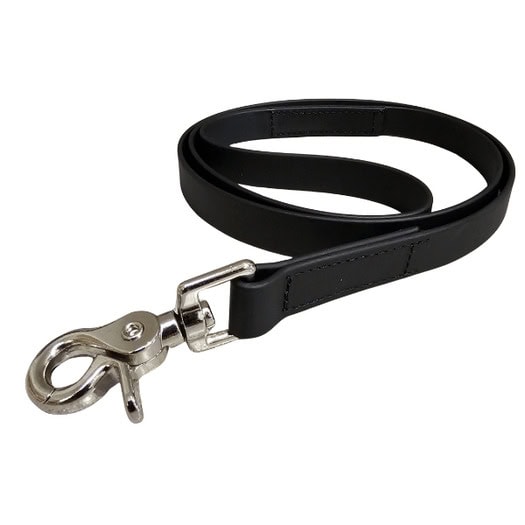

Show Sheep Leads – Chrome 4ft
$19.95
Select options
This product has multiple variants. The options may be chosen on the product page
$19.95
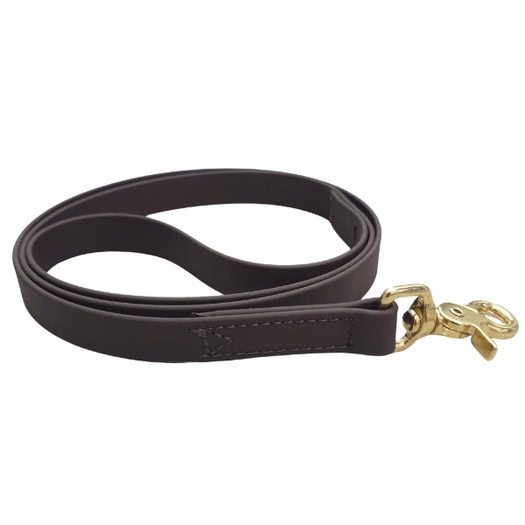
$38.00
Sheep handling gear are an essential piece of equipment for anyone working with livestock in Australia, and the demand for Australian made leads has never been stronger. Whether you’re preparing animals for the show ring or handling them around the farm, choosing the right material—biothane or webbing—can make a remarkable difference in safety, comfort, and control. High‑quality sheep leads are more than just a strap; they’re a tool that supports better stockmanship, improves presentation, and withstands the tough Australian climate. In both professional and hobby settings, sheep leads crafted from durable materials help ensure that handlers can work confidently and efficiently.
The growing popularity of biothane leads is no surprise. Biothane is known for its exceptional strength, flexibility, and resistance to weather, mud, and moisture. On a busy farm, equipment is constantly exposed to dirt, rain, and rough handling, so having a sheep lead that wipes clean and doesn’t absorb odours is a major advantage. Biothane also offers a sleek, polished look that makes it ideal for the show ring, where presentation matters. Exhibitors appreciate how biothane maintains its colour and shape, giving sheep leads a professional finish that complements well‑groomed animals. Because biothane is lightweight yet incredibly tough, it provides reliable control without causing discomfort to the animal or the handler.
Webbing remains a classic choice for sheep leads, especially for those who prefer a softer, more traditional feel. Webbing sheep leads are valued for their flexibility and comfort in the hand, making them a favourite for long days of handling sheep around the farm. Australian made webbing leads are designed to withstand UV exposure, abrasion, and the constant wear that comes with daily livestock work. Many handlers appreciate the natural grip and ease of use that webbing provides, especially when working with young or spirited animals. In the show ring, webbing leads offer a timeless, understated look that blends seamlessly with halters and other equipment.
Choosing Australian made sheep leads ensures that the product is crafted with local conditions in mind. Australian manufacturers understand the demands of livestock handling, from the heat of summer to the mud of winter, and they build sheep leads that hold up under pressure. Supporting Australian made products also strengthens local industry and guarantees higher quality control standards. Whether you prefer biothane or webbing, buying Australian made sheep leads means investing in durability, reliability, and craftsmanship that aligns with the needs of Australian farmers and exhibitors.
For show ring competitors, the right lead can influence how confidently an animal moves and presents. Biothane leads offer a polished, modern appearance that stands out, while webbing leads provide a softer aesthetic that some handlers find easier to coordinate with traditional show gear. Both materials offer excellent control, but the choice often comes down to personal preference and the behaviour of the animal. A well‑designed sheep lead helps maintain steady guidance, reduces stress for the animal, and allows the handler to focus on presentation rather than equipment issues.
On the farm, practicality becomes the priority. Sheep leads must be strong, dependable, and easy to grab at a moment’s notice. Biothane excels in wet or muddy environments, while webbing offers a comfortable grip during long handling sessions. Many farmers keep both types on hand because each material shines in different situations. Regardless of the setting, the consistent factor is the need for sheep leads that can withstand daily use without fraying, cracking, or weakening.
In every context—show ring or paddock—sheep leads, biothane, webbing, and Australian made craftsmanship form a combination that delivers reliability and performance. If you’re refining your show kit or upgrading your farm gear, choosing high‑quality Australian made sheep leads ensures you’re working with equipment designed for real‑world conditions