


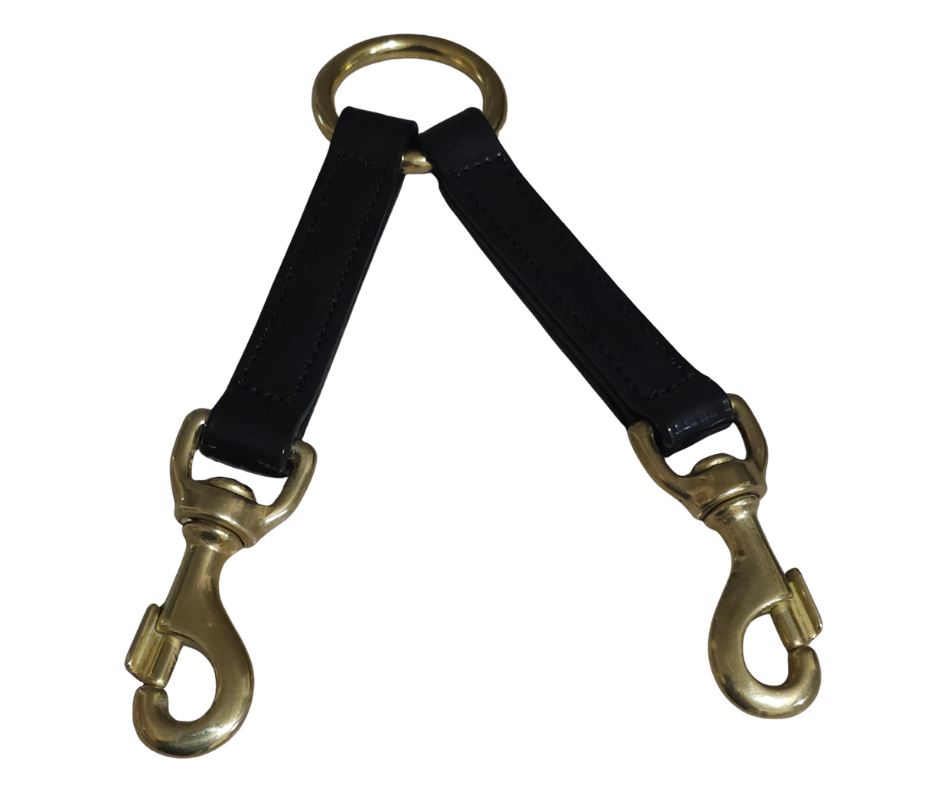
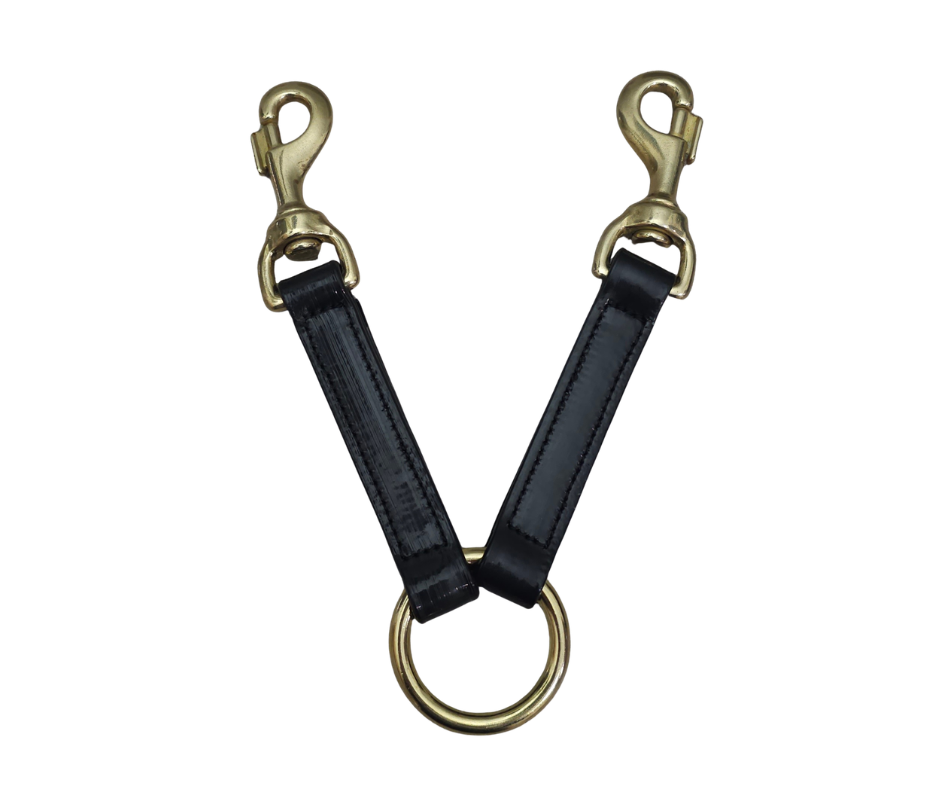
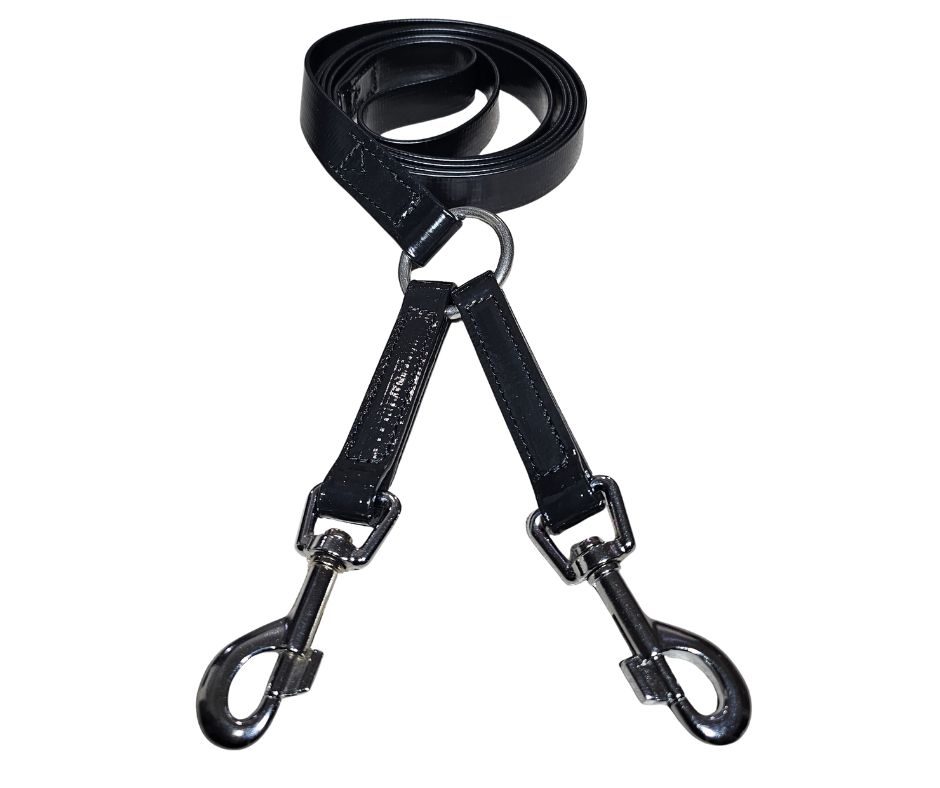
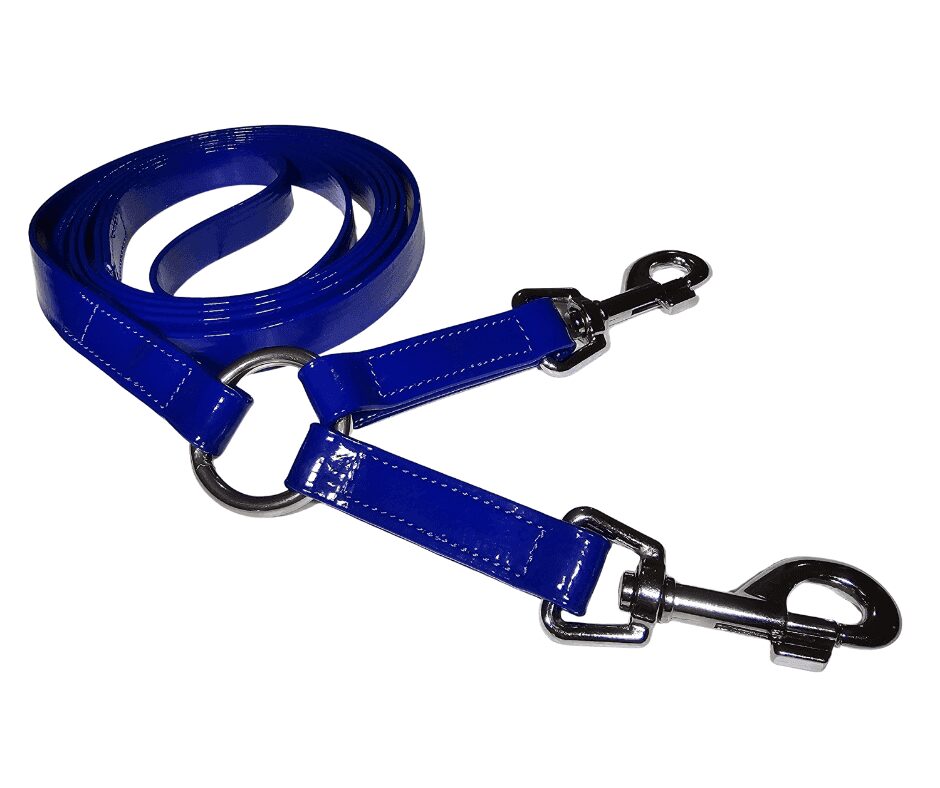
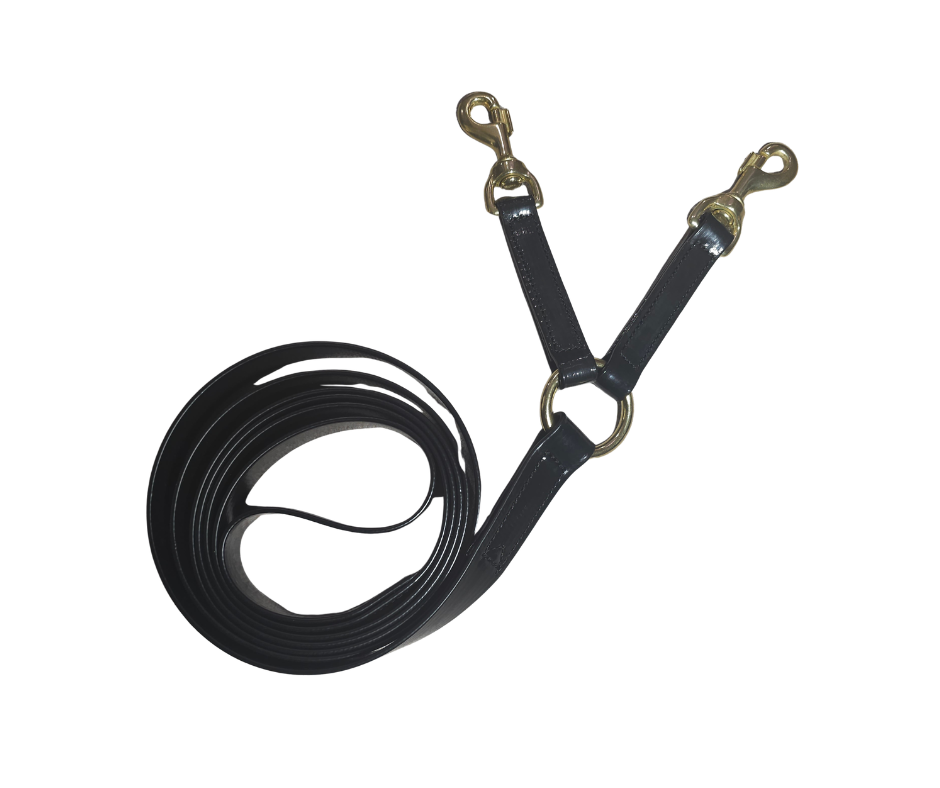
Double Clip Lead PVC Nickel Plated
$16.00
Select options
This product has multiple variants. The options may be chosen on the product page
$16.00


$17.00
$26.00

$23.00
$45.00
A rope lead is generally the best all‑round choice because it offers strength, durability, and a comfortable grip.
What length lead is best? A 2–3 metre lead gives enough room for handling, training, and safe movement.
Should I choose cotton, nylon, or rope?
Do I need a clip or a tie‑end? A bull‑snap clip is secure and easy to attach; tie‑ends are preferred for natural horsemanship.
What lead is best for training? A heavy rope lead (12–14mm thickness) gives clearer cues and better control.
What lead is best for everyday use? A standard rope or cotton lead with a strong clip is ideal for daily handling.
Yes — PVC is lightweight, waterproof, easy to clean, and budget‑friendly. It’s great for everyday use, wet weather, and riders who want low maintenance.
Biothane is stronger, more durable, and more flexible in cold weather. It feels more premium and lasts longer under heavy use.
Biothane strength — it has higher tensile strength and resists cracking or stretching over time.
Both are wipe‑clean, but PVC cleaning is slightly simpler because dirt doesn’t grip the surface as much.
Both perform well, but PVC in wet weather stays slick and smooth, while Biothane keeps its grip and flexibility.
Biothane longevity — it resists UV, abrasion, and cracking better than PVC.
Most riders prefer Biothane feel because it’s softer and less slippery, especially when wet.
PVC pricing — typically cheaper than Biothane.